
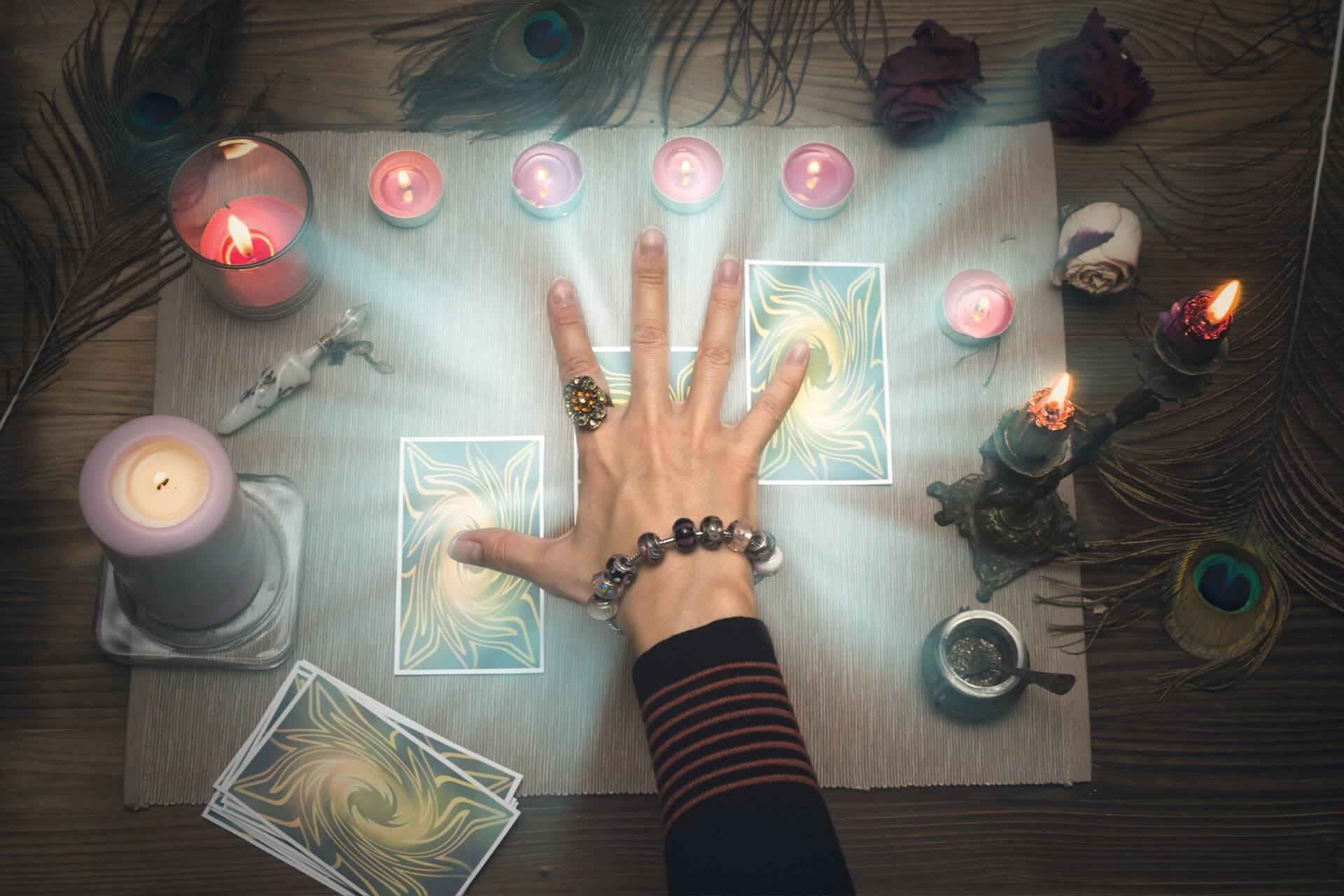
Developing your psychic abilities can mean different things. For some people, it is a spiritual discipline involving intuition, cards, dreams, or symbolic imagery. For others, it is practice in attention, empathy, observation, and creative reflection. Claims such as telepathy, clairvoyance, psychometry, and communication with spirits have not been established as reliable ways to obtain factual information, so training should include honest testing rather than assuming every impression is psychic.
A grounded practice protects curiosity and reality at the same time. Record impressions before you know the answer, count misses as carefully as hits, obtain consent, and keep psychic exercises away from high-stakes decisions.
Decide What You Want to Practice
“Psychic ability” is too broad to measure. Choose one specific skill for a two-week practice period:
- Visualization: forming and holding a detailed mental image.
- Intuitive reflection: noticing rapid impressions and then checking them against facts.
- Card symbolism: using tarot or oracle images to generate questions and perspectives.
- Dream recall: recording dreams promptly and identifying themes without treating them as predictions.
- Observation: noticing tone, posture, context, and changes without claiming access to private thoughts.
- Blinded guessing: testing a claimed ability under conditions where the answer is concealed.
This article focuses on practice design, measurement, feedback, and boundaries. For a deeper method of separating intuition from reasoning and cognitive traps, read soul intuition and insight. If your interest is specifically color or energy-field symbolism, see the grounded guide to aura reading.
Build a Practice That Can Teach You Something
1. Write the rule before the trial
Define what counts as a match in advance. “I will guess which of five symbols is hidden, and only an exact symbol counts” is testable. “Something about my impression felt close” is not. Do not change the category after seeing the answer.
2. Keep the target concealed
For a card exercise, have a friend shuffle and place a card face down without giving verbal or facial clues. Better still, use an automated randomizer and record the selection before revealing it. Avoid transparent sleeves, marked cards, reflections, predictable sequences, and handling differences.
3. Record every attempt
Log the date, method, target choices, exact prediction, confidence level, result, and anything that may have compromised the trial. Do not delete attempts made when you were tired or distracted. Selective memory can make a few striking matches seem more representative than they are.
4. Use enough trials
A short run can look impressive by chance. Complete the number of trials you chose in advance before judging the result. With five equally likely symbols, random guessing averages one match in five over many attempts, but small batches can fall above or below that average. Do not repeatedly stop at the most flattering point.
5. Repeat under new conditions
A result is more informative when it can be repeated with a new shuffled deck, another day, and a different helper. If accuracy disappears when cues are removed, treat that as useful feedback about the original method rather than a failure of character or spirituality.
Practices for Attention and Symbolic Reflection
Brief meditation
Spend five to ten minutes observing breath, sound, or bodily contact with the chair. Meditation may support attention, but it does not automatically raise a vibration or prove access to a higher being. The National Center for Complementary and Integrative Health says meditation is generally considered low risk while noting that negative effects have been reported. Stop if the exercise increases panic, dissociation, confusion, or distress.
Visualization
Study an ordinary object for one minute, close your eyes, and reconstruct its shape, color, texture, and position. Reopen your eyes and note what you omitted or changed. This trains imagery and memory; it does not by itself demonstrate clairvoyance or an opened third eye.
Tarot or image cards
Draw one card and list three observable details before interpreting it. Then generate several possible meanings and one practical question. Do not use a card to diagnose, predict death, establish infidelity, or make decisions for another person. Learning traditional meanings and comparing interpretations can expand symbolic vocabulary without turning the deck into unquestionable authority.
Dream journaling
Record a dream immediately after waking, including uncertain or missing details. Date any apparent prediction before the event and specify what would count as a match. Review both matches and nonmatches. Dreams often combine memory, emotion, and recent experience; a vivid dream is not proof of future knowledge or spirit contact.
Psychometry as a blinded exercise
If you want to explore impressions from objects, ask a consenting helper to place several similar, safely handled items in identical opaque containers. Write impressions before learning who owns each object. Avoid antiques or store merchandise you do not have permission to handle, and do not make claims about an owner’s trauma, illness, or private life.
Listening practice
Identify real sounds in the environment one at a time: traffic, a fan, footsteps, wind, or birds. This can strengthen attention. It does not establish clairaudience. Do not deprive yourself of sleep, isolate in silence for long periods, or treat ambiguous sounds as commands.
Consent and Feedback in Practice Readings
Practice only with informed, voluntary participants. Tell them you are learning, explain the format, and give them permission to stop or decline any question. Do not read strangers, photographs of people who did not consent, deceased relatives as a way to establish family facts, or pets as a substitute for veterinary observation.
Ask participants to score specific statements after the reading rather than feeding you information throughout it. Avoid fishing questions, broad statements that fit most people, and reinterpreting disagreement as resistance. Never claim that a miss will become true later.
Protect privacy. Do not save or share a participant’s recording, health information, relationship details, or contact information without clear permission. Development circles should state their rules, fees, confidentiality practices, and facilitator qualifications.
What Psychic Practice Must Not Replace
Do not use intuitive impressions to:
- diagnose or treat physical or mental illness;
- tell someone to stop medication or professional care;
- select investments, loans, legal strategies, or gambling choices;
- determine guilt, abuse, pregnancy, fidelity, or another person’s motives;
- contact or pressure someone who has set a boundary;
- decide that a pet’s symptoms are emotional or spiritual rather than medical; or
- promise protection, healing, love, money, or future outcomes.
Nutrition, sleep, movement, medical care, and time outdoors can affect wellbeing, but no food has been shown to increase psychic powers or vibration. Barefoot exercises require practical attention to weather, sharp objects, allergies, circulation, sensation, and local conditions.
Know When to Stop
A healthy practice is optional and can be set aside. Pause if you become afraid to “turn off” a gift, feel compelled to interpret every event, lose sleep, withdraw from others, spend beyond your means, or cannot make ordinary choices without a reading.
Seek professional help if you hear threatening or commanding voices, feel watched or specially targeted, or struggle to distinguish impressions from shared reality. The National Institute of Mental Health describes warning signs and the value of early treatment. Spiritual beliefs and mental-health support can coexist; a qualified clinician can help you assess distress and functioning.
If you might harm yourself or another person, seek immediate local help. In the United States, call or text 988; elsewhere, contact your local crisis service or emergency number.
A Better Measure of Development
Progress is not feeling more certain. It is becoming more honest about what you observed, more willing to test alternatives, more respectful of consent, and more able to say “I don’t know.” Whether you understand the practice as spiritual, psychological, or creative, those skills make it safer and more useful.
Frequently Asked Questions
Can psychic abilities be proven by a few accurate guesses?
No. A few matches can occur by chance or through unnoticed cues. Define the test in advance, conceal the answer, record every trial, compare results with the chance rate, and repeat the result under new conditions.
Does meditation increase psychic powers?
Meditation may support attention or reflection for some people, but it does not prove or guarantee psychic ability. Use short, comfortable sessions and stop if the practice causes distress or disorientation.
Is it ethical to practice readings on friends?
Yes, when they give informed consent, understand that you are practicing, can stop freely, and retain control of their private information and decisions. Avoid health diagnoses, frightening predictions, and high-stakes advice.
What if psychic practice starts to feel uncontrollable?
Pause the exercises, restore sleep and routine, and talk with a qualified mental-health professional if experiences are frightening, commanding, impair daily life, or become difficult to distinguish from shared reality.